
Uncategorised
If you would like to discuss your home concerns with Noel, feel free to email him at
Please include your name and a contact phone number if you want him to call you back. Also note the best time for a call back.
Please include as much information as you wish about the situation and your concerns including the home location or questions you might have.
Noel will contact you to discuss your needs, and if you wish, setup an initial home inspection to discuss what changes could be made to the home and provide an estimate.
See the section on "Fee Schedule" to get an idea of the costs.
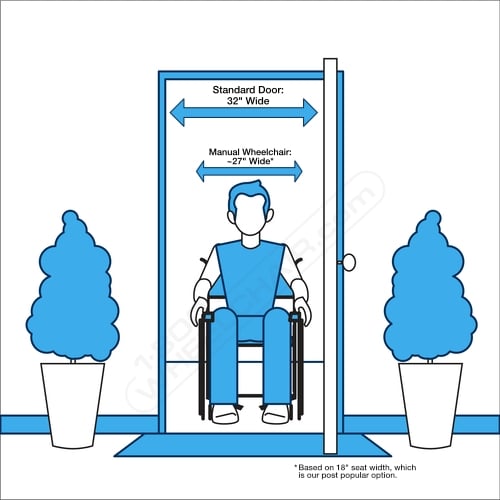
Widening doorways offers significant advantages for elderly and disabled individuals, including increased independence and safety, easier navigation with mobility aids like wheelchairs and walkers, and enhanced support for caregivers.
These modifications also support a greater sense of autonomy, contribute to better mental well-being, and can even improve emergency evacuations and future home value. Many modern homes were built with 24" wide doors to the bathrooms but wheelchairs are at least 27" in width.
Benefits for individuals
-
Enhanced independence: Widening doorways is a key modification that allows individuals to navigate their home independently, which is essential for those using mobility aids.
-
Accommodation of mobility aids: Standard doorways are often too narrow for wheelchairs, walkers, and scooters. Widened doorways, especially those with a clear width of 32 to 36 inches, allow for much easier and less problematic passage.
-
Improved safety: Wider openings reduce the risk of bumping into door frames, which can prevent accidents and potential injuries.
-
Increased accessibility for personal tasks: It makes daily activities like getting dressed, accessing the bathroom, and getting food or other items from room to room more manageable and less frustrating.
-
Support for caregivers: Wider doorways are also beneficial for caregivers, providing them with more space to safely assist individuals as they move through the home.
Wider benefits and long-term value
-
Improved emergency response: Wider doorways can be critical during emergencies, allowing for faster and more efficient movement of people and equipment, such as emergency personnel or wheelchairs during an evacuation.
-
Positive mental well-being: Greater independence and a sense of autonomy can lead to improved self-confidence and overall mental health.
-
Future-proofing the home: This modification is a valuable investment that can make a home more appealing to a wider range of buyers in the future, especially those with an eye toward long-term accessibility needs.
-
Reduced care needs: By making a home safer and more accessible, these modifications can reduce the need for professional or informal care, leading to potential cost savings.
Creating a "Senior Citizen Friendly" home means making modifications that enhance the safety, comfort, and independence of elderly residents. These upgrades address common challenges such as mobility issues, limited flexibility, balance concerns, and diminished eyesight.
Peachy Home Solution's goal is to allow seniors to age in place as safely and comfortably for as long as possible. Our safety engineering experts are uniquely qualified to achieve this goal for you.
If you could only make one change in your home to improve the safety of your loved ones, installing a grab bar on the wall of your shower or tub would be my strongest recommendation.
Bathroom Improvements Offer the Biggest Bang for your Bucks
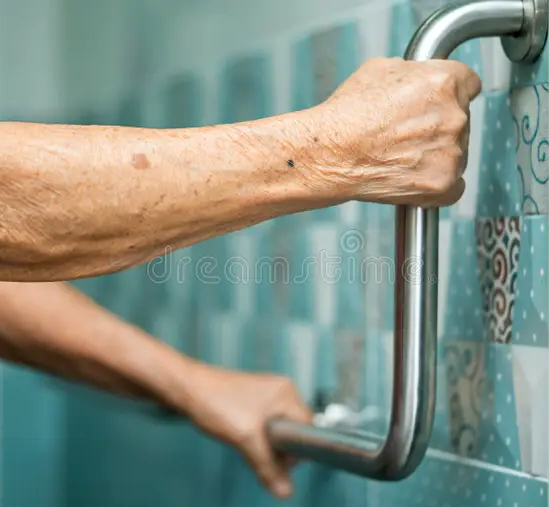 The most critical area in your home for safety is the bathroom, which presents the highest risk for falls of any area in the home. Falls can be life-threatening, especially for senior citizens. A few inexpensive changes here can lower the risk of falling substantially.
Key upgrades to prevent falls include the installation of grab bars in the shower/tub area and near the toilet. Most of the injuries occur while getting in or out of the tub or shower. Installing something solid to hold onto is an effective and inexpensive way to help prevent the most common cause of injuries in the bathroom - falling.
A shower seat and a handheld showerhead further adds convenience and safety. Standing for long periods can be a challenge for seniors.
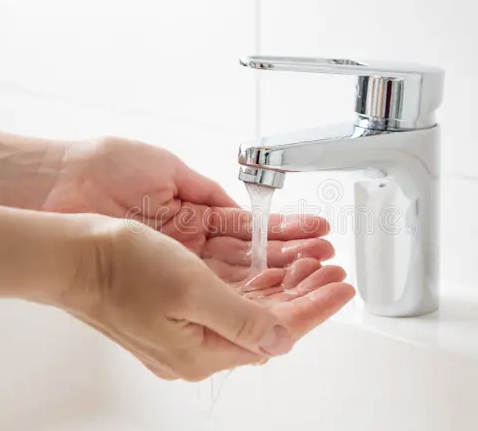 For the bathroom sink, lever-style faucet handles are also easier for those with arthritis to use than traditional knobs. No gripping, no twisting, just a gentle push that can be done with the side of your hand or your knuckles.
Installing extra tall toilets may also be a good option for some who have difficulty getting up and sitting down. Or an electronic bidet toilet seat that washes and even dries might be a great choice for those who have limited use of their hands, or just want the ultimate in cleanliness of their private parts.
While the bathroom is the most dangerous area of the house, there are other changes to other parts of the house that can enhance safety, comfort, and independence for elderly residents.
Improving Access Between Rooms
Widening too narrow doorways, especially to the bathroom, offers significant advantages for elderly and disabled individuals, including increased independence and safety, easier navigation with mobility aids like wheelchairs and walkers, and enhanced support for caregivers. Many modern homes were built with 24" wide doors to the bathrooms but wheelchairs are at least 27" in width.
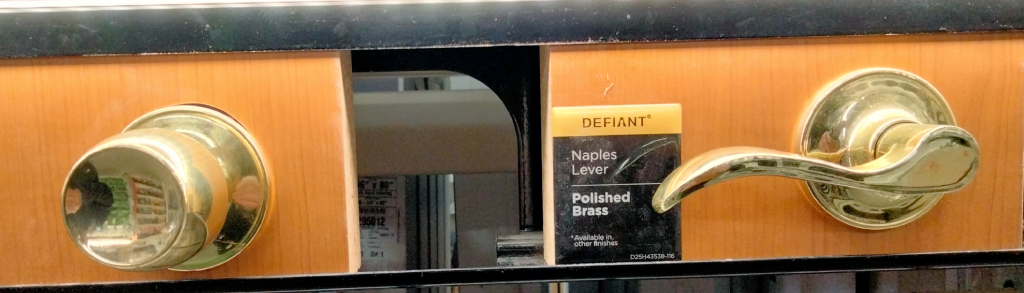
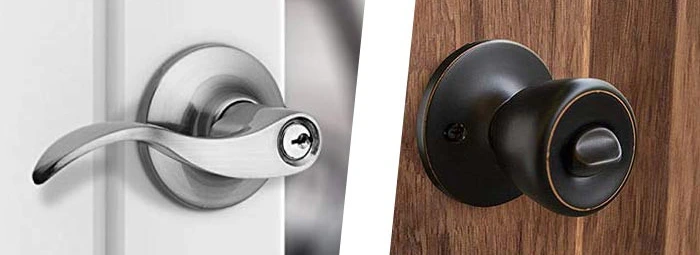 Replacing traditional round doorknobs (right) with lever-style handles (left) requires less grip strength. This could be a critical upgrade in case of an emergency when someone is trying to exit a room quickly.
Mobility is a primary concern for many seniors. Ensuring clear pathways throughout the house is essential. Removing loose rugs and installing non-slip flooring materials helps prevent trips and falls.
Kitchen Upgrades
Kitchen upgrades focus on accessibility and ease of use. Just like the bathroom sinks, installing lever-style faucet handles in the kitchen sink make it so much easier for those with limited hand mobility to use than traditional turning knobs.
Pull-out shelving in cabinets minimizes bending and reaching, making items more accessible. Replacing standard knobs with lever handles on doors and cabinets, and D-shaped pull handles, makes gripping easier for limited hand mobility hands. Under-cabinet task lighting illuminates countertops clearly.
Lighting Upgrades
Good lighting is of paramount importance throughout the house. Installing nightlights, especially motion-activated ones in the hallways, bathrooms, bedrooms, can be very useful. Increasing overall ambient light in the home can compensate for age-related vision decline.
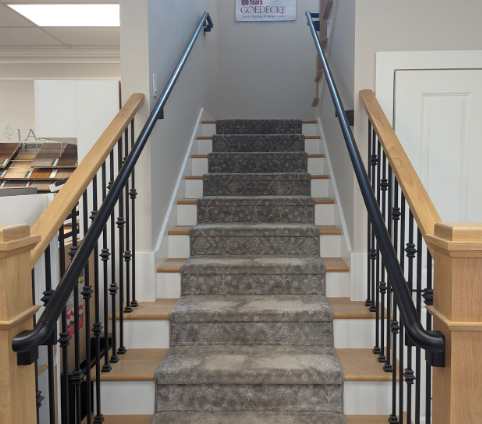
For multi-story homes, a stairlift or even an elevator installation may be necessary, depending on the severity of mobility challenges. For those with minor mobility difficulties, securing handrails on both sides of staircases offers better support.
Other Home Upgrades
Small changes also make a significant difference. Installing remote-controlled light switches, automated blinds, and smart home technology allows seniors to manage their environment with less physical effort. A strategically placed landline phone and an emergency alert system provide a critical layer of safety and peace of mind.
Ultimately, these modifications are a proactive investment in a senior's quality of life. By focusing on safety, accessibility, and comfort through deliberate, senior citizen friendly upgrades, elderly individuals can maintain their independence and continue living happily in their own homes for years to come.
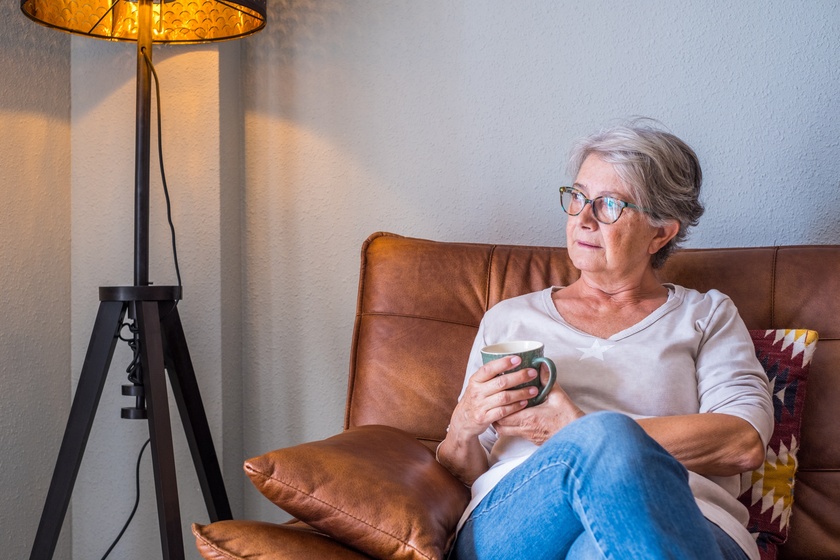 Good lighting is of paramount importance throughout the house. Installing nightlights, especially motion-activated ones in the hallways, bathrooms, bedrooms, can be very useful.
Improving home lighting offers significant advantages for elderly or disabled individuals by enhancing safety, promoting independence, and boosting both physical and mental well-being. Better lighting reduces fall risks, improves visibility for daily tasks, helps regulate sleep patterns, and can even improve mood and overall quality of life.
Promoting independence and safety
-
Reduces fall risk: Proper lighting, especially in high-risk areas like hallways, stairs, and bathrooms, helps prevent falls by improving spatial awareness and depth perception. Clear, well-lit paths reduce confusion, particularly in the evening.
-
Increases ability for daily tasks: Good lighting enables individuals to perform daily activities such as cooking, reading, and grooming with less assistance, which fosters a sense of autonomy and self-sufficiency.
-
Improves visibility: Adequate brightness helps compensate for age-related vision changes, making it easier to see and distinguish objects, colors, and textures, which is crucial for a safe and comfortable environment.
Enhancing physical and mental health
-
Supports circadian rhythms: Adequate lighting helps regulate the body's natural sleep-wake cycle, which can lead to better sleep quality and improved mood.
-
Boosts mental health: Natural and well-mimicked indoor light can improve mood, reduce feelings of depression and anxiety, and increase energy levels.
-
Reduces eye strain: Brighter, high-quality light, such as from LEDs with a high color rendering index (CRI), makes it easier for aging eyes to see and reduces visual fatigue.
-
Provides essential Vitamin D: Increased exposure to natural light is a primary source of vitamin D, which is vital for bone health and immune function.
Cost-effective and modern solutions
-
Energy efficiency: Modern options like LEDs use significantly less electricity than older bulbs, leading to lower energy bills, which is especially beneficial for those on a fixed income.
-
Long-lasting and low maintenance: LEDs last much longer than traditional bulbs, reducing the need for frequent replacements.
-
Adaptable lighting: Today's lighting technology allows for customization. For example, some LED systems can be adjusted to provide bright light during the day and warmer, dimmer light in the evening to help signal to the body that it's time to sleep
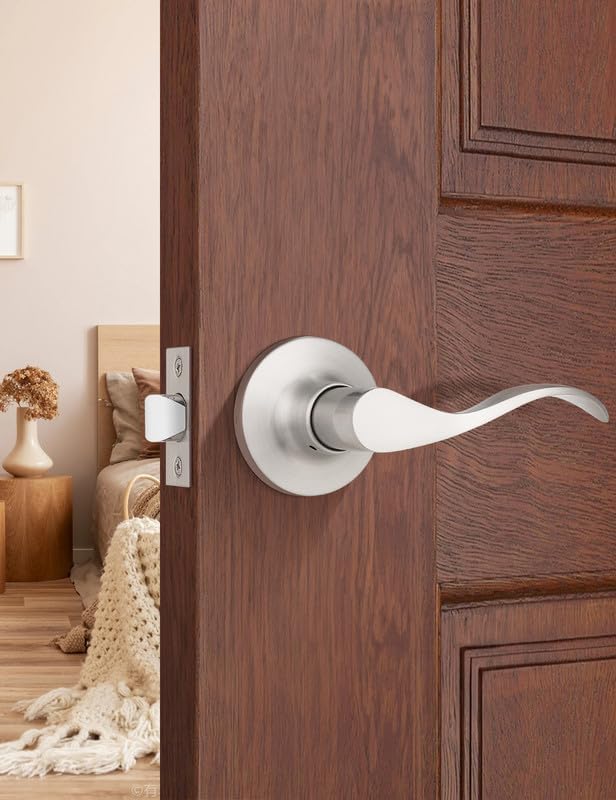 Installing lever door handles offers significant advantages for elderly and disabled individuals by improving accessibility and safety. Their ergonomic design requires less strength, as they can be operated with a simple push or pull instead of a twist, which is easier for those with arthritis or limited dexterity.
This simple change promotes greater independence and can be done using the edge of their hand or an elbow when hands are full. By installing lever handles, you create a more inclusive and functional home environment that accommodates people with varying abilities, helping them feel more secure and comfortable.
Key advantages of installing lever door handles:
-
Ergonomic design: Lever handles are easier to operate than traditional knobs for people with conditions like arthritis, carpal tunnel, or limited hand strength. They require less grip strength, reducing strain and pain.
-
Increased independence: The ease of use allows individuals to open doors with minimal effort, which is crucial for maintaining independence in daily activities.
-
Enhanced safety: Levers are ideal for emergencies, as they allow for quick exits. They are also a great option for situations where your hands are full, as you can use your elbow to operate the handle. In the picture below you can see a standard round door know, which can be difficult to use for someone with limited hand mobility. To the right is a lever handle doorknob that we would replace the round know with.
-
 Meets accessibility standards: Lever handles often meet or are recommended by accessibility guidelines, such as those inspired by the Americans with Disabilities Act (ADA), which specifies that hardware should be operable with one hand and without tight grasping.
 -
Supports mobility aids: Individuals using wheelchairs, crutches, or walkers can find levers easier to operate without needing to let go of their mobility aid.
-
Versatile operation: The simple motion can be performed using a closed fist or forearm, which is helpful when hands are wet or otherwise unable to get a firm grip.