
You would be surprised how many people don't have even the most basic safety equipment in their homes. Some of them sadly find out the hard way, resulting in loss of property or lives. This section doesn't just apply to Senior Citizens, but all houses.
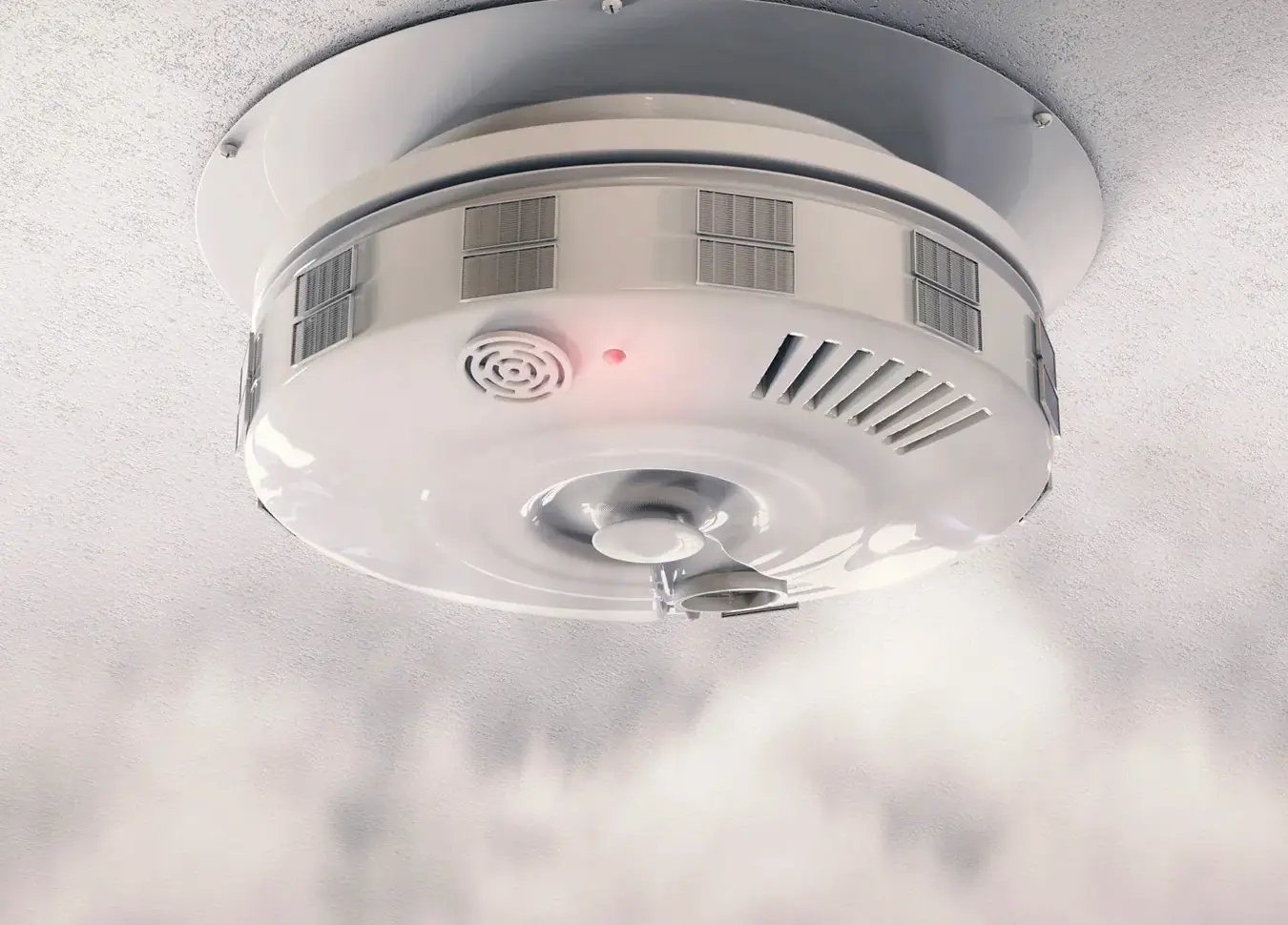 For essential home safety, you need smoke alarms, carbon monoxide (CO) detectors, fire extinguishers (ABC type for versatility), and fire blankets, especially in the kitchen, plus an emergency kit with first-aid supplies, flashlights, and a plan including escape ladders for upper floors, to cover fire, gas, and medical emergencies.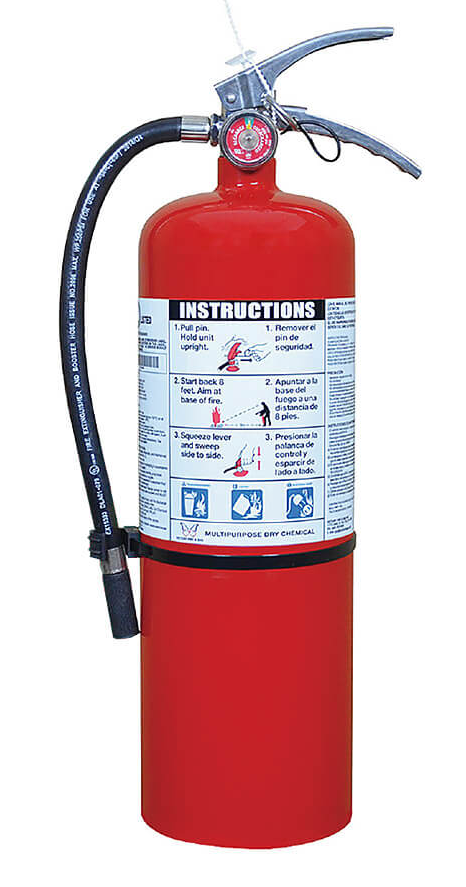
Fire Safety
- Smoke Alarms: This is the most critical preventative item for your home safety. Install on every level, inside/outside bedrooms; test monthly, change batteries yearly.
- Fire Extinguishers: This is the second most critical item for your home safety. Keep an ABC-rated one in the kitchen, in plain sight. Don't hide it in a cabinet. Most fires at home originate in the kitchen.
- Fire Blanket: Essential for smothering kitchen grease fires.
- Fire Escape Ladders: One for each upper-floor bedroom to ensure escape.
Gas & Chemical Safety
- Carbon Monoxide (CO) Detectors: Place on every level and near sleeping areas to detect this odorless gas from fuel-burning appliances.
Emergency Preparedness
- First-Aid Kit: Stock bandages, gloves, antiseptic wipes, gauze, tape, and any necessary medications.
- Flashlights & Batteries: For power outages.
- Emergency Kit Supplies: Include toiletries, water, non-perishable food, and important documents.
- Emergency Lighting: For safe navigation during blackouts.