
Uncategorised
Coming very soon !
You would be surprised how many people don't have even the most basic safety equipment in their homes. Some of them sadly find out the hard way, resulting in loss of property or lives. This section doesn't just apply to Senior Citizens, but all houses.
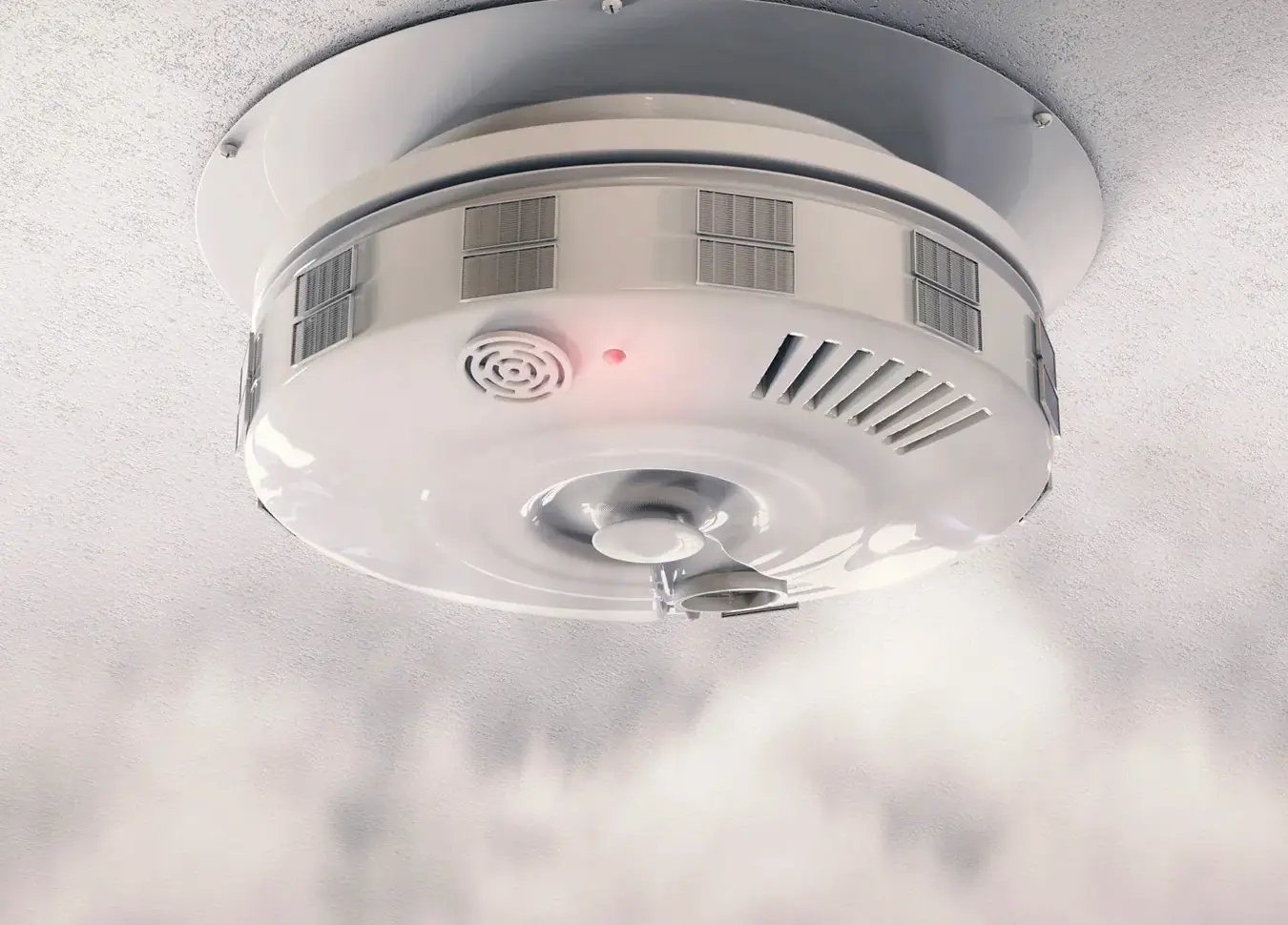 For essential home safety, you need smoke alarms, carbon monoxide (CO) detectors, fire extinguishers (ABC type for versatility), and fire blankets, especially in the kitchen, plus an emergency kit with first-aid supplies, flashlights, and a plan including escape ladders for upper floors, to cover fire, gas, and medical emergencies.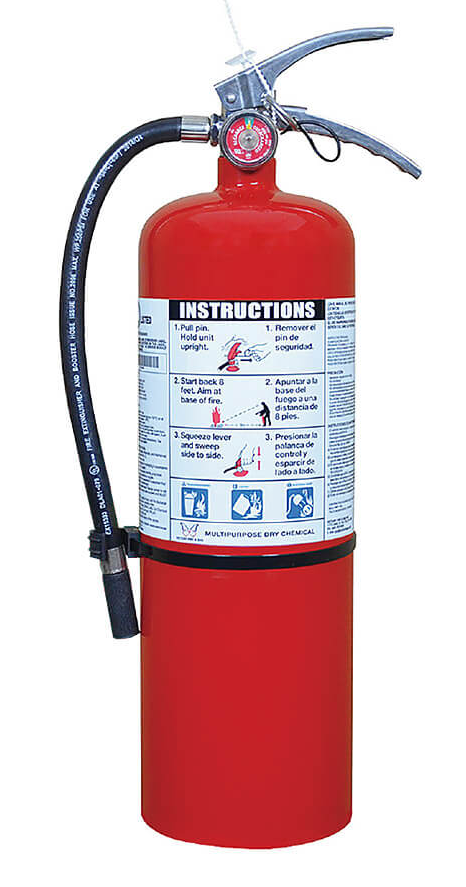
Fire Safety
- Smoke Alarms: This is the most critical preventative item for your home safety. Install on every level, inside/outside bedrooms; test monthly, change batteries yearly.
- Fire Extinguishers: This is the second most critical item for your home safety. Keep an ABC-rated one in the kitchen, in plain sight. Don't hide it in a cabinet. Most fires at home originate in the kitchen.
- Fire Blanket: Essential for smothering kitchen grease fires.
- Fire Escape Ladders: One for each upper-floor bedroom to ensure escape.
Gas & Chemical Safety
- Carbon Monoxide (CO) Detectors: Place on every level and near sleeping areas to detect this odorless gas from fuel-burning appliances.
Emergency Preparedness
- First-Aid Kit: Stock bandages, gloves, antiseptic wipes, gauze, tape, and any necessary medications.
- Flashlights & Batteries: For power outages.
- Emergency Kit Supplies: Include toiletries, water, non-perishable food, and important documents.
- Emergency Lighting: For safe navigation during blackouts.
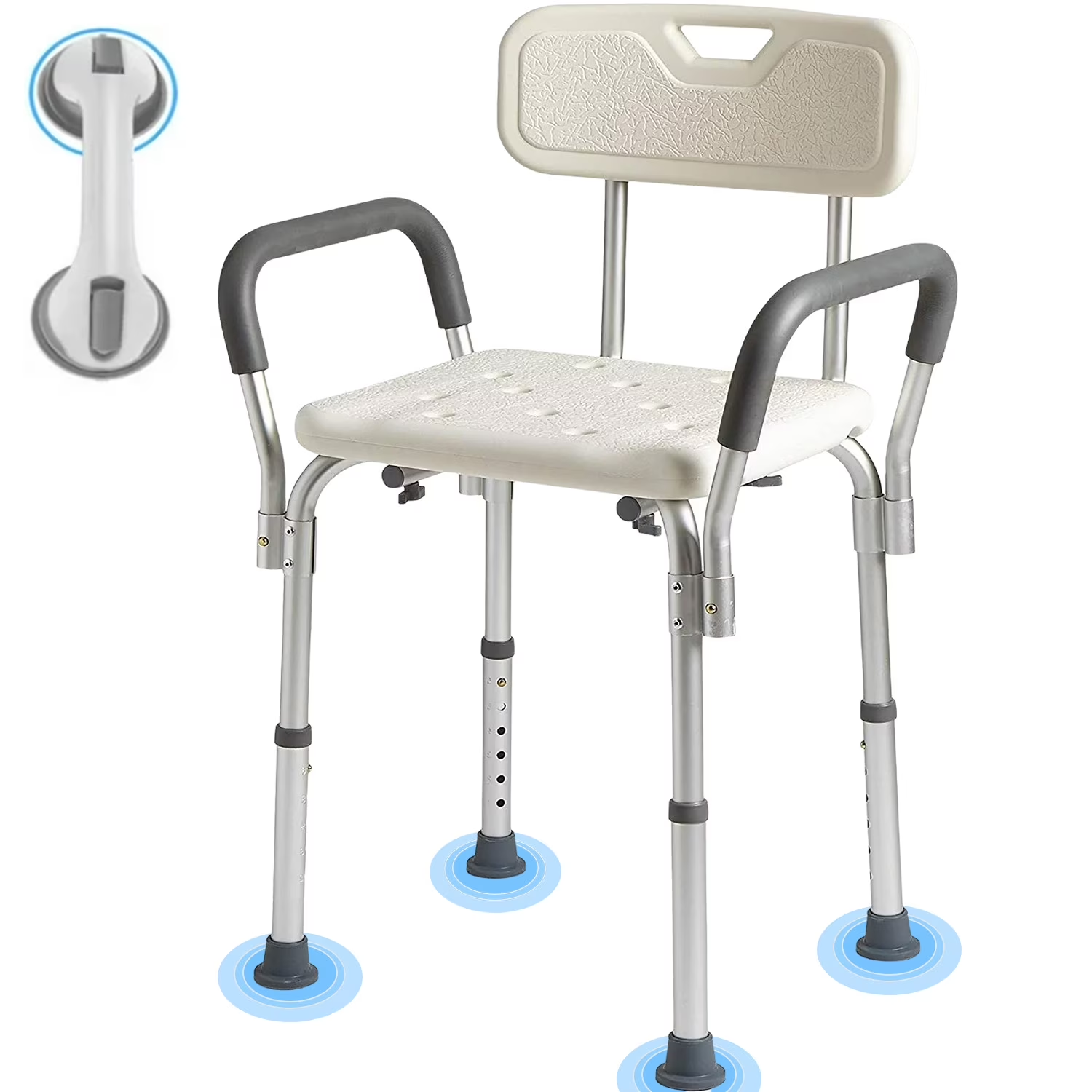 Shower seats are important for seniors because they significantly reduce the risk of falls by providing a stable place to sit in a wet and slippery environment. They also improve independence by allowing seniors to bathe more comfortably, assist caregivers, and support those with limited mobility, reduced balance, or injuries.
Safety and fall prevention
- Stable seating: A shower chair provides a secure and stable place to sit, which is crucial because wet bathroom floors are very slippery.
- Reduced risk: By minimizing the risk of falling, shower seats prevent serious injuries that are common among the elderly in bathrooms.
Support for mobility and independence
- Easier transfers: Seats and benches that extend over the tub edge can help seniors with limited mobility transfer in and out of the shower more safely.
- Reduced strain: Sitting down allows seniors to rest their bodies and complete their shower without straining, making the task less physically demanding.
- Greater independence: Shower chairs promote a sense of autonomy and dignity by enabling seniors to manage their own hygiene with less assistance.
Comfort and therapeutic benefits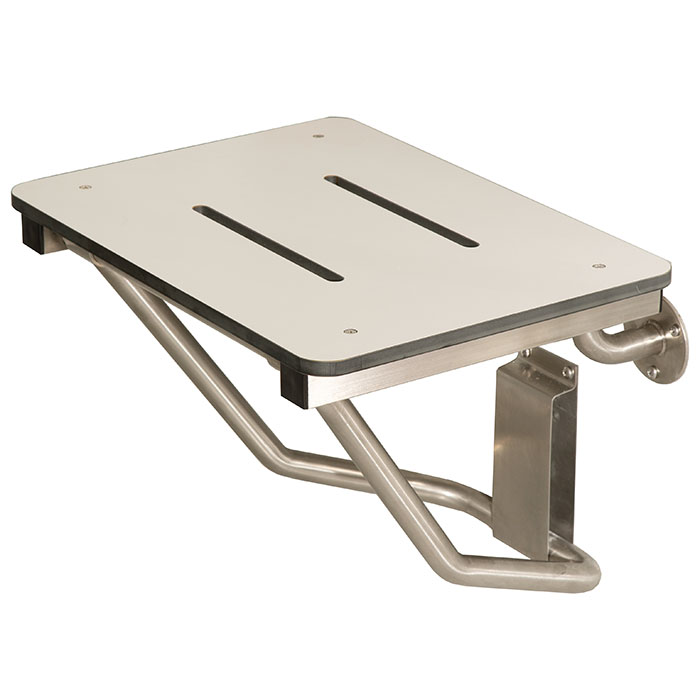
- Comfortable rest: For those who have difficulty standing for long periods, a shower seat allows them to relax and feel more comfortable while bathing.
- Support for caregivers: A seat can also support caregivers, making it easier for them to assist with bathing when needed.
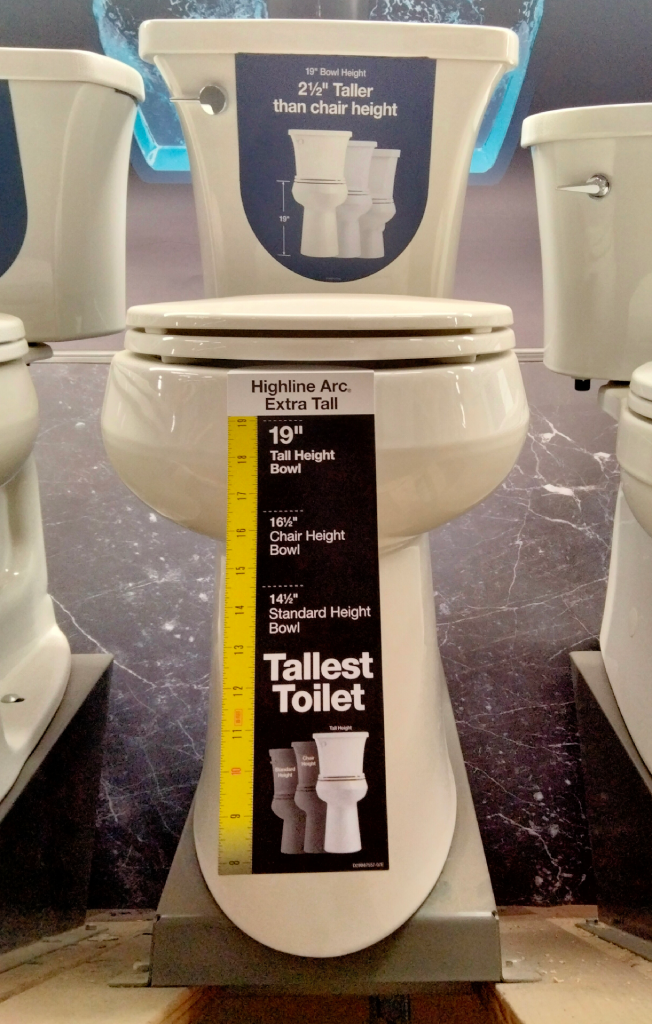 In the picture (right), you can see an extra tall toilet, a full 4-1/2” taller than a standard toilet in height.
An extra tall toilet seat, often called a "comfort height" or "chair height" toilet seat, offers significant health advantages primarily related to mobility, safety, and reduced physical strain. These benefits make using the bathroom easier for individuals with certain physical challenges.
Key Health Advantages
- Reduced Strain on Joints: The primary benefit is minimizing the strain on the knees, hips, and back by reducing the distance one must squat when sitting down or the effort required to stand up. This is particularly helpful for people with arthritis, chronic joint pain, or muscle weakness.
- Increased Safety and Fall Prevention: Bathrooms are high-risk areas for falls. The higher seating position provides better stability and balance when transferring between sitting and standing, which significantly lowers the risk of accidents, especially for seniors or those with balance issues.
- Improved Independence and Dignity: By making the process of using the toilet unassisted, a raised seat allows individuals with mobility limitations to maintain their independence and privacy, which can boost confidence and emotional well-being.
- Easier Post-Operative Recovery: For those recovering from surgeries, such as hip, knee, or spinal procedures, an elevated toilet seat is often recommended by occupational therapists to accommodate restricted movement and reduce pain during the healing process.
- Benefits for Taller Individuals: People who are taller than average often find standard toilets uncomfortably low. An extra tall seat provides a more natural, ergonomic seating position, preventig discomfort and awkward posture.
- Easier Caregiver Assistance: For individuals who require help, the taller height also makes it easier and safer for caregivers to assist them without risking injury to themelves or the user.
Potential Disadvantages of Taller Toilets
It is worth noting that for some users, a very high seat may not be ideal. The higher angle can sometimes be less conducive to a natural squatting posture, which some research suggests can aid bowel function. Additionally, shorter adults or children may find their feet dangling, which could cause instability.
Consulting with a healthcare provider or an occupational therapist can help determine the ideal toilet height for specific needs.
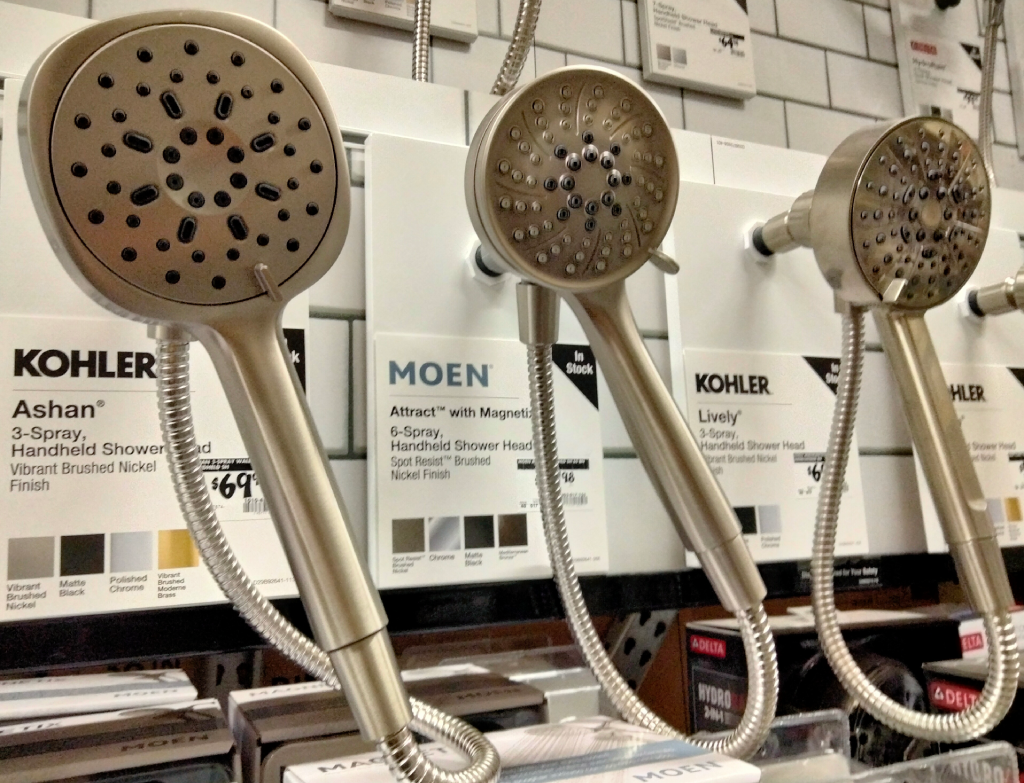
Handheld shower heads significantly improve safety by reducing the risk of slips and falls, allowing individuals with mobility issues to bathe while seated and minimizing unnecessary movement.
- Fall Prevention: By providing a stable platform, shower seats minimize the risk of slipping or falling due to unsteadiness, balance issues, or muscle weakness.
- Enhanced Independence: Seniors or those with disabilities can maintain personal hygiene with less assistance, which boosts self-esteem and dignity.
- Reduced Physical Strain: They allow users to rest while bathing, which is essential for those with limited stamina, arthritis, chronic pain, or individuals recovering from surgery.
- Easier Caregiving: For those requiring assistance, a seat provides a stable platform for caregivers to help, reducing physical strain on both the caregiver and the user.
- Safe Transfers: Transfer benches, a type of shower seat, extend over the side of the bathtub, allowing users to slide in and out without the dangerous need to step over the tub ledge.
- Stability: Most shower seats come with non-slip feet (often rubberized) or can be securely mounted to the wall, ensuring they remain stable on wet surfaces.